
Support Guide for People Affected by a Loss: Managing Personal Property

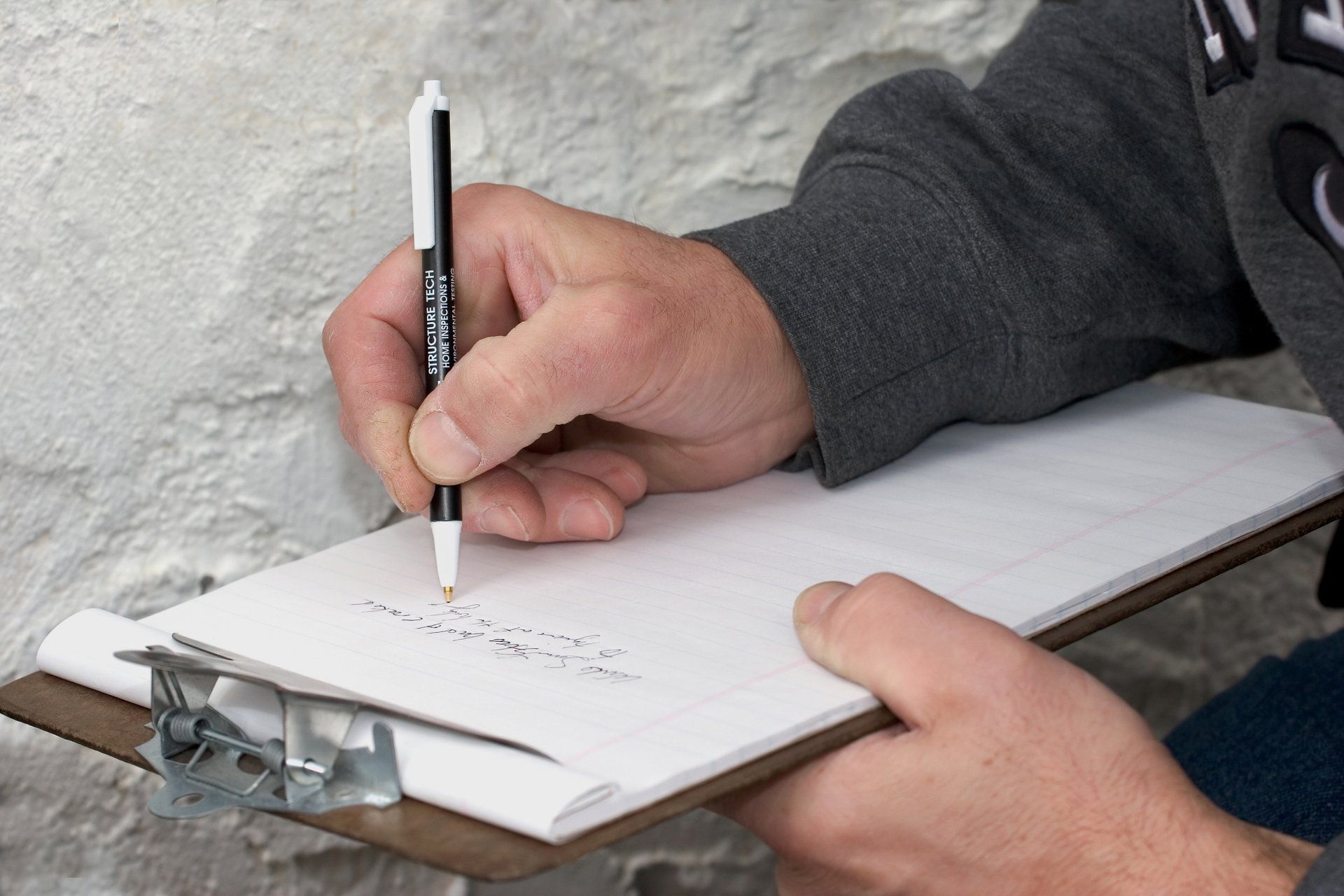
Deux personnes signant un document à un bureau, avec un stylo et un porte-bloc.

Rebuilding Your World One Item at a Time

A loss is not just a material loss; it is an ordeal that turns life upside down.

At Roy, Morissette & Associés, we understand the impact of such an event. That is why we offer you this guide, not only to navigate the complexities of insurance claims, but to help you get back your belongings and your daily life.

After reading this guide, you should better understand the process of managing your personal property claim (often called contents) following a loss.

We cover the concepts of new replacement value and actual cash value, and explain how to take advantage of the various settlement terms common to home insurance contracts in Quebec.

First and foremost, know that every insurance contract is different. You may have better coverage than you think, and the reverse is also possible.

We recommend that you contact us to be certain.

Understanding Settlement Terms

New replacement value : corresponds to the cost of replacing an item with a new item of the same kind and quality. If you need to replace a damaged or destroyed item, new replacement value allows you to replace it with an equivalent new item.

Actual cash value : the real value of your item at the time of the loss. This value takes into account the replacement cost, from which depreciation due to wear, the item's age, and its normal lifespan is deducted. It is usually lower than the new replacement value.

How To Claim New Replacement Value

Most of the time, to benefit from new replacement value, you must replace the property damaged in the loss.

It is essential to follow certain steps and submit the necessary documents to your insurer to avoid making mistakes.

Caution : sometimes, actual cash value could be more advantageous than new replacement value. Depending on your contract, you may not have to follow all the steps below. Consult us to find out if this applies to you.

Step 1 : Property Inventory

List all the property damaged or destroyed in the loss. Be as specific as possible: detailed descriptions, brands, models, serial numbers if available. Photograph the damaged property to provide visual proof of its condition after the loss.

Step 2: Value Estimates

Estimate the new replacement value of each item by consulting catalogues, online retail sites, or contacting suppliers for replacement quotes. Calculate the actual cash value by taking depreciation into account.

This step is crucial, because several objective and subjective factors are difficult to assess. The help of a claims adjuster or an appraiser is recommended.

Step 3: Submitting the Claim at Actual Cash Value

Fill out a claim form containing your inventory, the replacement values, the age and place of purchase of the property, and the applicable depreciation. Provide the supporting evidence gathered (before/after photos, original invoices, replacement quotes).

Negotiate the replacement value and depreciation with the claims adjuster and the appraiser representing your insurer, then request payment of the actual cash value.

Step 4: Purchasing Replacement Property

Purchase replacement property equivalent in kind and quality to the damaged or destroyed property, while respecting the replacement values agreed upon with your insurer; this is the highest amount you will be granted for each replaced item.

Keep all invoices and receipts related to these purchases: they are crucial to justify the value of the replacement property and obtain reimbursement at new replacement value.

Step 5: Submitting Repurchase Invoices

Submit the repurchase invoices to your insurer, including all relevant information (supplier, item description, price, purchase date, item number on your list of losses).

Step 6: Claim Follow-Up

Stay in regular contact with your insurer to make sure your file is progressing and ask for updates periodically. Article 2473 of the Civil Code of Québec states that the insurer is required to pay the indemnity within 60 days of receiving the notice of loss or, if it requested them, the relevant information and supporting documents.

Respond to any additional request for documents or information from your insurer.

Practical Tips

  • Document everything : keep track of all communications with your insurer and note the details of conversations.
  • Be organized : file all documents and invoices in a specific folder to make managing your claim easier.
  • Consult a Roy, Morissette & Associés claims adjuster if you have any doubts or questions. Our dedicated team handles every step of the process, from inventory to final settlement, including documentation, appraisal, and negotiation.

In conclusion:

Managing personal property after a loss can seem complex, but by following these steps and staying well organized, you can maximize your chances of receiving adequate compensation. Remember that it is up to you to file your claim, with your insurer then exercising its right to verify the items and values claimed.

Have a question about your personal property claim?

Let's talk about it.

More Posts

21 octobre 2026
In recent years, we have observed in Quebec that natural disasters and other major losses seem to be becoming more and more frequent; it is not uncommon to see insurance companies overwhelmed by a high volume of claims.

21 octobre 2026
The insurance field is genuinely useful for policyholders' peace of mind, but it can prove complex. To come out well during a claim, you need to understand how it works.

21 octobre 2026
Before filling out your notice of loss, do you fully understand the subtleties of the coverages, clauses, and exclusions in your insurance contract?

21 octobre 2026
On top of being shaken by the events, you are the one who bears the burden of proving your loss. It is therefore in your interest to know the provisions of your insurance contract well in order to protect your rights throughout the process.
21 octobre 2026
The goal of anyone affected by a loss : to be back in the same situation as before the loss.
21 octobre 2026
In recent years, we have observed in Quebec that natural disasters and other major losses seem to be becoming more and more frequent; it is not uncommon to see insurance companies overwhelmed by a high volume of claims.
21 octobre 2026
The insurance field is genuinely useful for policyholders' peace of mind, but it can prove complex. To come out well during a claim, you need to understand how it works.
21 octobre 2026
Before filling out your notice of loss, do you fully understand the subtleties of the coverages, clauses, and exclusions in your insurance contract?
21 octobre 2026
On top of being shaken by the events, you are the one who bears the burden of proving your loss. It is therefore in your interest to know the provisions of your insurance contract well in order to protect your rights throughout the process.
21 octobre 2026
The goal of anyone affected by a loss : to be back in the same situation as before the loss.