
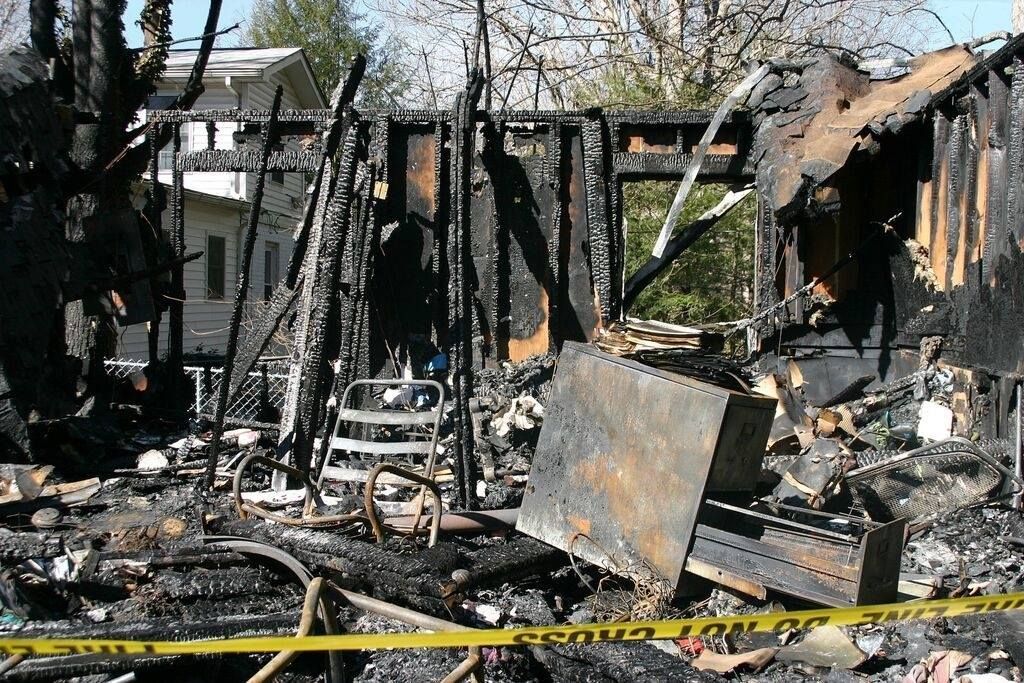

What Will Happen After a Loss?

The goal of anyone affected by a loss : to be back in the same situation as before the loss.
Your insurer has an obligation to compensate you, but not at any price. You also have obligations to meet under the law, including proving your loss by submitting a claim. Your interests and your insurer's are not always aligned: it also wants the file settled quickly, but it is essential that an agreement be reached before starting any work to avoid unforeseen issues.
Timeline of Post-Loss Steps
Your insurance contract contains several coverages for which a claim must be filed:
- Additional living expenses
- The building and its outbuildings
- Personal property
This path illustrates a typical residential post-loss file, handled by a firm of claims adjusters while respecting the insured's obligations:
Living Expenses
Step 1 : Building | Secure the Premises
Timing : Month 1
Details : You must take the necessary measures to prevent the damage from getting worse (security, boarding up, heating in cold weather). In the event of negligence, subsequent damage might not be covered. This step is often entrusted to a contractor by the insurer or the fire department on the same day.
Duration : 1 day | Difficulty : 1 out of 5
Step 2 : Temporary Relocation
Timing : Month 1
Details : If the residence is no longer habitable, relocation is required for the duration of the settlement (hotel, rental, or staying with a relative on a daily compensation basis). The period generally ranges from 4 to 6 months.
Duration : 3 to 6 months | Difficulty : 2 out of 5
Step 3 : Preparing the Additional Living Expenses Claim
Timing : Month 6
Details : Covers only the excess expenses caused by the loss (cell phone, travel, electricity/heating during reconstruction, etc.). You must provide supporting documents and deduct the ordinary expenses that were interrupted.
- Preparation : building the file with invoices and proof of costs incurred.
- Negociation :
the insurer's adjuster analyzes the admissibility of each section claimed.
Duration : 1 month | Difficulty : 3 out of 5
Building and Outbuildings
Step 1 : Survey of Components and Extent of Damage
Timing : Month 1
Details : Complete assessment of the areas and materials required for like-for-like reconstruction. Comparing this estimate with the insurer's makes it possible to identify discrepancies in quantities, materials, and hourly rates.
Duration : 1 month | Difficulty : 5 out of 5
Step 2 : Negotiation and Settlement
Timing : Month 2
Details : Application of the contract clauses to maximize compensation (depreciation applicable if not rebuilding). A firm agreement must be reached before reconstruction work begins.
Duration : 2 weeks | Difficulty : 5 out of 5
Step 3 : Reconstruction or Permanent Relocation
Timing : Month 2
Details : The insurer grants a reasonable period to rebuild or buy back a property. The agreed period also marks the end of coverage for living expenses.
Duration : 3 months | Difficulty : 2 out of 5
Step 4 : Work Compliance Inspection
Timing : Month 6
Details : Final inspection by an estimator for the insurer to release the balance of the new replacement value upon demonstration of actual expenses.
Duration : 2 weeks | Difficulty : 3 out of 5
Personal Property
Step 1 : Interim Payment or Advance Request
Timing : Month 1
Details : Obtaining a financial advance to purchase basic necessities.
Duration : 1 week | Difficulty : 1 out of 5
Step 2 : Inventory of Damaged Property
Timing : Month 1
Details : Rigorous survey with photos of each lost or damaged item (detail each object separately). Get the insurer's approval before throwing anything away.
Duration : 1 week | Difficulty : 5 out of 5
Step 3 : Digital Transcription of the Inventory
Timing : Month 1
Details : Entry into a spreadsheet (e.g., Excel) sorted alphabetically or by room to eliminate duplicates and facilitate analysis.
Duration : 2 weeks | Difficulty : 2 out of 5
Step 4 : Research of Prices or Equivalent Items
Timing : Month 1
Details : Research of the current new replacement cost (taxes included) for each item. False statements invalidate the claim.
Duration : 8 weeks | Difficulty : 5 out of 5
Step 5 : Loss Lists From Cleaners and Suppliers
Timing : Month 3
Details : Follow-up on unsalvageable property entrusted to restoration specialists (cleaning, electronics, cabinetmaking).
Duration : 1 week | Difficulty : 2 out of 5
Step 6 : Quotes for High-Value Property
Timing : Month 3
Details : Collection of original invoices, quotes, and proof of ownership for high-value items.
Duration : 1 week | Difficulty : 2 out of 5
Step 7 : Calculation of Applicable Depreciation
Timing : Month 4
Details : Item-by-item calculation of the actual cash value (depreciated value), required if the property is not immediately replaced new with invoices.
Duration : 1 week | Difficulty : 4 out of 5
Step 8 : Contents Settlement Negotiation
Timing : Month 4
Details : Reconciliation of calculations between the parties, or negotiation of a global lump-sum settlement to avoid later submission of purchase invoices.
Duration : 2 weeks | Difficulty : 5 out of 5
Step 9 : Verification on Return and New Replacement Value
Timing : Month 6
Details : Inspection of reconditioned or cleaned property and claim for the balance of the new replacement value (difference between the initial amount paid and the actual repurchase cost).
Duration : 4 weeks | Difficulty : 3 out of 5
When Should You Hire a Claims Adjuster To Work for You?
The best time: as soon as possible.
Common reasons for hiring a claims adjuster:
- Insurer's requirements are too time-consuming
- Technical complexity of preparing the claims
- Large-scale damage (more than $100,000)
- Fear of an unfavourable premature settlement
- Proposed settlement not in line with the contract's coverages
- Replacement or contractors imposed by the insurer
- Option not to rebuild the building
Have a question about your own file?
Let's talk about it.